


Dark Sonification
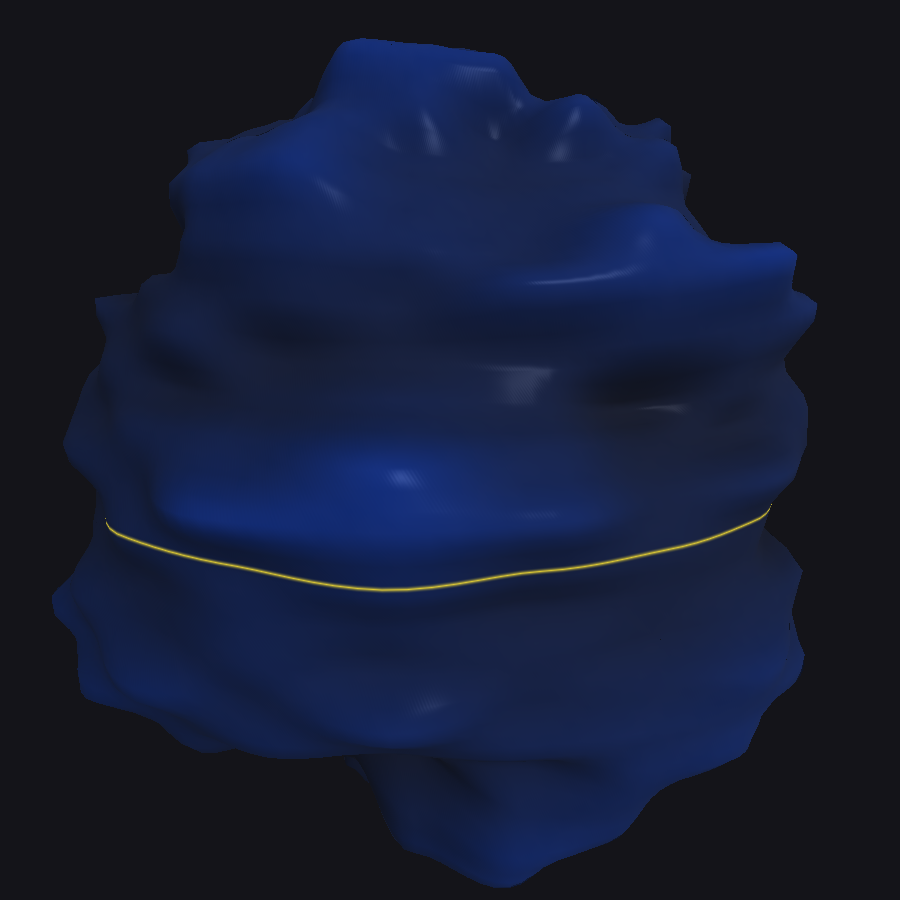
Dark Sonification.
Dark Sonification is a multimodal data display design system focusing on human-data relations in a world increasingly driven by data and mediated through computational processes. It looks into how the process of designing and engaging with data allows meanings to emerge, when we position data and algorithms as non-human co-designers. A display created with Dark Sonification is the result of humans and data intra-acting within Dark Sonification’s affordances, given by its structuring methodology and the specific algorithms selected for processing the data.
In practice, anyone with a dataset and the intention of attuning to it can use Dark Sonification. The system invites you to be first a designer, thinking through processes of transformation and structuring them into semiotic and perceptual mappings: how does this data change under different algorithmic processes, like looking at the same data object through different lenses, and how can these transformations be mapped onto sound, visuals, and touch to make them meaningful for our experience? It then invites you to be a performer, navigating the display as an embodied interface through multiple types of controllers: gaming controllers, laptop, saxophone, and MIDI devices, among others. These roles can be taken by a single person following the whole data-to-display workflow, or shared collaboratively, where different expertises and knowledges come together to shape an interactive display: a machine learning specialist working on data processing, for instance, alongside a sound designer mapping data features onto sound parameters. A Max for Live device is also on its way, bringing Dark Sonification into Ableton workflows.
Overall, Dark Sonification aims for multiplicity and stays with complexity. Multiplicity, because its internal structuring builds combinations of algorithmic processes to experience multiple perspectives on the same data. Complexity, because it approaches a data object with the intention of raising questions and finding answers through performativity, opening space for new forms of experiencing and, hopefully, new knowledge to emerge.
The system has been tested and used for scientific, dissemination, and artistic purposes, becoming an instrument of knowledge in the most diverse ways. It has grown through collaborations across oceanography, musicology, ecology, and literature, and has been used as a scientific research display, a musical instrument, and a medium for participatory sound installations.

The Intelligent Instruments project (INTENT) is funded by the European Research Council (ERC) under the European Union’s Horizon 2020 research and innovation programme (Grant agreement No. 101001848).